EDC Multitools Worth Carrying: Live Crowdfunding Picks
You've seen the same titanium pocket knives and knockoff Leathermans a hundred times. The real new stuff shows up on crowdfunding first — small-batch EDC tools that solve specific problems instead of just filling a pocket. Here's what's actually funding right now, what's worth your money, and how to spot the duds before they ship.
The Difference Between a Conversation Piece and a Tool
A lot of EDC gear is designed for the photo, not the job. You know the ones — anodized finishes, weird geometries, and a price tag that says 'collector' rather than 'user.' The crowdfunding campaigns that earn their backing usually start with a frustration: a clip that snaps, a bit driver that strips, a pry bar that bends on the first beer bottle. Look for projects where the creator shows the failure mode they're fixing. If they can't explain why the existing tools fall short, they're just adding noise. Real EDC multitools earn pocket space by being useful daily, not by looking sharp in a carry photo.
What's Funding Now: Three Campaigns to Watch
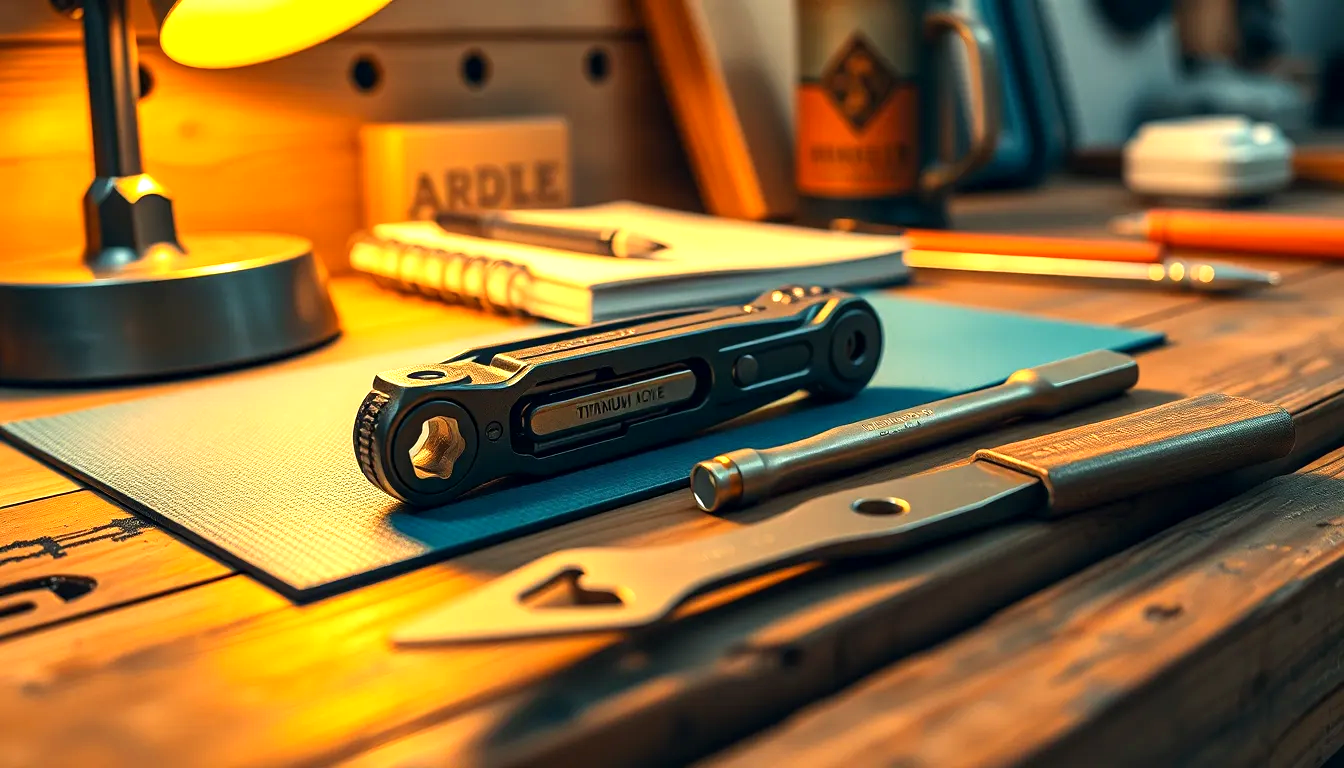
The current batch on Crowdfund Showcase has a few standouts. There's a compact ratcheting driver that fits in a coin pocket and takes standard bits — not the proprietary ones you'll lose in a week. That one's already blown past its goal, which is a good sign. Another is a multi-tool shaped like a credit card, but it's actually machined steel, not that flimsy stamped stuff that flexes when you try to turn a screw. It lives in your wallet, so it's there when you need it, and you forget it when you don't. Then there's a modular pry bar with a replaceable tip — when you chip it prying a nail, you swap the tip instead of buying a whole new tool. Each of these has a video on the site showing real use, not just slow-motion drops.
What to Look For in a Crowdfunded Multitool
Backing a tool that doesn't exist yet is a bet. You can stack the odds in your favor with a few checks. First, look at the materials. If they say 'aircraft-grade aluminum' but don't specify the alloy, be wary. 6061-T6 or 7075 are specific; 'aircraft-grade' is marketing. Steel should be named too — S35VN, D2, or at least 420HC. Second, check the mechanism. A folding tool with a liner lock or a frame lock is fine; slip joints can close on your fingers. Third, read the comments. Backers ask pointed questions about dimensions, weight, and durability. If the creator dodges or deletes, walk away. Finally, look at the funding history. A campaign that hits its goal in the first 48 hours with a lot of small backers is more credible than one that drags for weeks with a few huge pledges.
One Tool That Does Most Jobs: The Mini Ratchet Driver
If you carry nothing else, make it a mini ratchet driver. This isn't the bulky multitool with a hundred functions you'll never use. It's a small handle that takes standard 1/4-inch bits, and it's saved me more times than I can count — tightening a loose eyeglass screw, fixing a wobbly chair leg, swapping a battery terminal on my car. The current crowdfunded version has a magnetic bit holder and a smooth action that doesn't bind. It's about the size of a lip balm, so it disappears in a pocket or a small pouch. That's the kind of tool you actually carry daily, not one that stays in a drawer. Check the live campaigns on Crowdfund Showcase for the latest versions.
The Pry Bar: More Useful Than You Think
A dedicated pry bar sounds like a solution looking for a problem. Then you need to open a paint can, remove a staple, or gently persuade a stuck drawer. Using a screwdriver for prying is a quick way to snap the tip or mangle the handle. A good pry bar is a flat piece of hardened steel with a beveled edge and a notch for nails. The new crowdfunded models add a bottle opener on one end and a hex wrench cutout on the other. Some have a pocket clip, which makes them easier to grab than digging through a bag. The replaceable tip version I mentioned earlier is worth a look if you're hard on your tools. It's a small investment that pays off the first time you use it for something other than its intended purpose.
How to Avoid Buying a Paperweight
Crowdfunding is full of beautiful renders and empty promises. The worst offenders are the ones that look perfect in the video but fail in practice. Common red flags: no weight listed, no dimensions, no close-up shots of the mechanism, and no demonstration of the tool under stress. A multitool that can't open a bottle or turn a screw in the demo video is a sculpture. Also, beware of 'stretch goals' that add features mid-campaign. That's how you get a tool that does ten things poorly instead of three things well. Stick to campaigns that have a clear manufacturing plan and a realistic shipping date. If they're promising delivery in three months and they don't even have a prototype in hand, that's a risk. Check the Crowdfund Showcase page for each project to see funding stats and creator responsiveness.
A Simple Carry Setup for Everyday Life
You don't need a belt full of gear. For most days, a mini ratchet driver, a small pry bar, and a decent pocket knife cover 95% of the situations you'll meet. Add a flashlight if you're out after dark. That's it. Here's a quick checklist when evaluating any crowdfunded tool:
- Does it solve a problem you actually have, or is it just 'cool'?
- Are the materials and manufacturing specifics stated clearly?
- Is the tool designed for right-handed and left-handed use?
- Does the creator show it being used in real conditions, not just on a bench?
- What's the return policy if it breaks after a month?
Frequently Asked Questions
Q1: Are crowdfunded multitools as durable as established brands like Leatherman?
Not always, but the good ones are close. Established brands have years of quality control, while crowdfunded tools can have production hiccups. However, many new creators use premium materials and listen to backer feedback, leading to tools that are just as tough for everyday use. Check the comments for long-term user reports.
Q2: What's the safest way to back a crowdfunding campaign for an EDC tool?
Use a credit card through the platform's payment system, which offers buyer protection. Also, wait until the campaign is fully funded and has a clear production timeline. Read the creator's updates and see if they respond to questions. Avoid backing anything that hasn't shown a working prototype.
Q3: How do I know if a multitool is well-made before it ships?
Look for specific materials, like named steel and aluminum alloys, and check for detailed photos of the mechanism. A good sign is a video showing the tool being used repeatedly without failure. Also, see if the creator offers a warranty or replacement parts. If they can't answer basic questions, that's a red flag.
Try Crowdfund Showcase to see live campaigns with honest stats and videos.
Comments
Post a Comment