Outdoor and Portable Power: What Actually Works in 2025
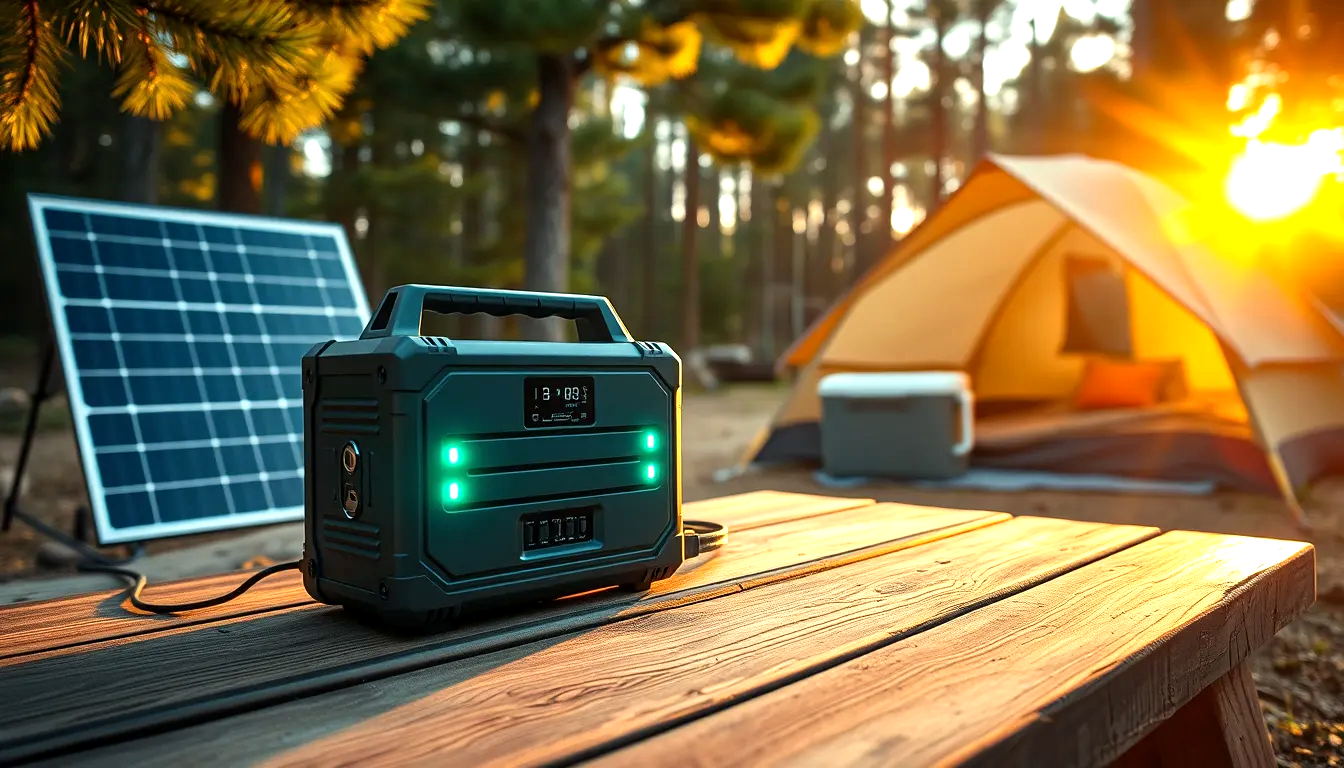
Camping, tailgating, or working from the back of a van — you need power that doesn't quit. But not all portable stations are worth your cash. Here's what to look for, what to skip, and where to find live campaigns that are still funding.
The Truth About Watt-Hours and Real-World Use
Manufacturers love to print big numbers on the box. A 500Wh station sounds impressive until you realize it runs a 60W fridge for about six hours, not two days. The math is simple: divide watt-hours by the wattage of your gear. That's your runtime, minus inverter losses (usually 10–15%). So before you buy, list three things you'll actually plug in — phone, cooler, maybe a CPAP — and add up their watts. Then double that number for buffer. A 300Wh unit is fine for overnight phone charging and a string of LED lights. A 1000Wh unit is the floor if you want a fridge, a fan, and a laptop running simultaneously.
Lithium Chemistry Matters More Than Brand Names
Not all lithium batteries are equal. You'll see LiFePO4 (lithium iron phosphate) and NMC (nickel manganese cobalt) in most modern stations. LiFePO4 lasts longer — 3,500+ charge cycles versus 500–1,000 for NMC — and runs cooler. The tradeoff is weight and slightly lower energy density. For a car camper, weight is irrelevant. For a backpacker, every ounce counts, so NMC might win. The other spec to check is the charge speed. Many stations now accept 200W+ solar input, which means you can refill from empty in a single good sun day. But only if you have the right panel — a 100W panel charging a 1000Wh station will take over 10 hours of direct sun.
Inverter Type: Pure Sine vs. Modified Sine
The difference between these two can break your gear. Pure sine wave inverters output clean, smooth power that matches your home outlet. Modified sine is a rougher approximation. Most phone chargers and LED lights won't care. But anything with a motor — a fan, a pump, a blender — will run hotter, louder, and less efficiently on modified sine. Worse, some electronics with sensitive chips (think laptop power bricks, medical devices) might not run at all. The fix: always buy pure sine, even if it costs $30 more. It's non-negotiable for anything you care about.
Solar Panels: The Missing Piece Most People Forget
A portable power station without a solar panel is just a heavy battery. To truly go off-grid, you need a panel that matches your station's input voltage. Many stations have a solar input range — say 12–30V — and you can't just plug in any panel. If the voltage exceeds the limit, you'll fry the controller. So check the specs, not just the connector type. Foldable panels are convenient, but they're also less efficient per square foot than rigid ones. For a car setup, a rigid roof panel might be better. For a campsite that moves daily, a foldable 200W panel is worth the extra bulk. And remember: panels don't work well in shade or through car windows, so plan your setup accordingly.
What to Skip: Gimmicks That Waste Money
Avoid stations with built-in wireless charging pads — they're slow and drain the main battery just to top off a phone. Also be wary of "peak power" claims. A 1000W station might surge to 2000W for a second, but that won't run a microwave for three minutes. And don't pay extra for app control unless you actually need remote monitoring. The app is usually buggy and eats battery in standby. Finally, skip any station without a proper carrying handle or wheels if it's over 20 lbs. You'll thank me when you're hauling it up a hill. Keep it simple: solid battery, pure sine inverter, good solar input, and a durable case.
The Best Budget Move: Buy Last Season's Model
If you don't need the latest twist, look for previous-generation stations from reputable brands. They still work fine, and you can often find them at 30–40% off. The catch: they might have slower charging or fewer ports. But for most weekend campers, that's a fine trade. Another trick is to buy a "solar generator" kit that includes a panel — sometimes the bundle is cheaper than buying separately. But check the panel's actual wattage, not the marketing hype. A "200W kit" might include two 100W panels, which is fine, but sometimes they ship a single 100W panel and call it a 200W system. Read the fine print.
How to Find a Deal That's Actually Live
Here's the thing about portable power: the best prices often come from crowdfunding campaigns, where early birds get steep discounts. But not every campaign ships. You need a platform that filters for traction and transparency. That's where Crowdfund Showcase comes in. It curates live campaigns, shows you honest funding stats, and gives a hand-picked recommendation for each project. No more wading through 500 failed Kickstarters. You get a video, real numbers, and a clear verdict. If you're hunting for a dependable solar station without paying retail markup, that's the place to look.
Practical Checklist Before You Buy
- Battery type: LiFePO4 for longevity, NMC for weight savings.
- Inverter: Pure sine only.
- Solar input: Match voltage range with your panel.
- Runtime: Calculate watt-hours vs. your actual load.
- Portability: Over 20 lbs? Make sure it has wheels or a good handle.
- Brand history: Check if the company has shipped before.
Frequently Asked Questions
Q1: How many watts do I need for a weekend camping trip?
For basic phone charging, a 150–300Wh station is plenty. Add a small fridge or a fan, and you'll want at least 500Wh. For running a CPAP or a heater, go 1000Wh or more. Always add a 20% buffer for inefficiency.
Q2: Can I charge a portable power station with a car outlet?
Yes, most stations come with a car charger. But it's slow — a 500Wh station can take 5–8 hours from a 12V outlet. It's fine for topping up while you drive, but don't rely on it as your primary charge method.
Q3: What's the difference between a power station and a generator?
A power station stores electricity in a battery and outputs it via an inverter. A generator burns fuel (gas, propane) to produce electricity. Power stations are silent, zero-emission, and safer indoors, but they have limited capacity. Generators run indefinitely with fuel but are noisy and smelly.
Try the free tool — it takes seconds. Find a station that fits your real needs, not the marketing.
Comments
Post a Comment