Top Crowdfunded Gadgets Worth Backing Right Now
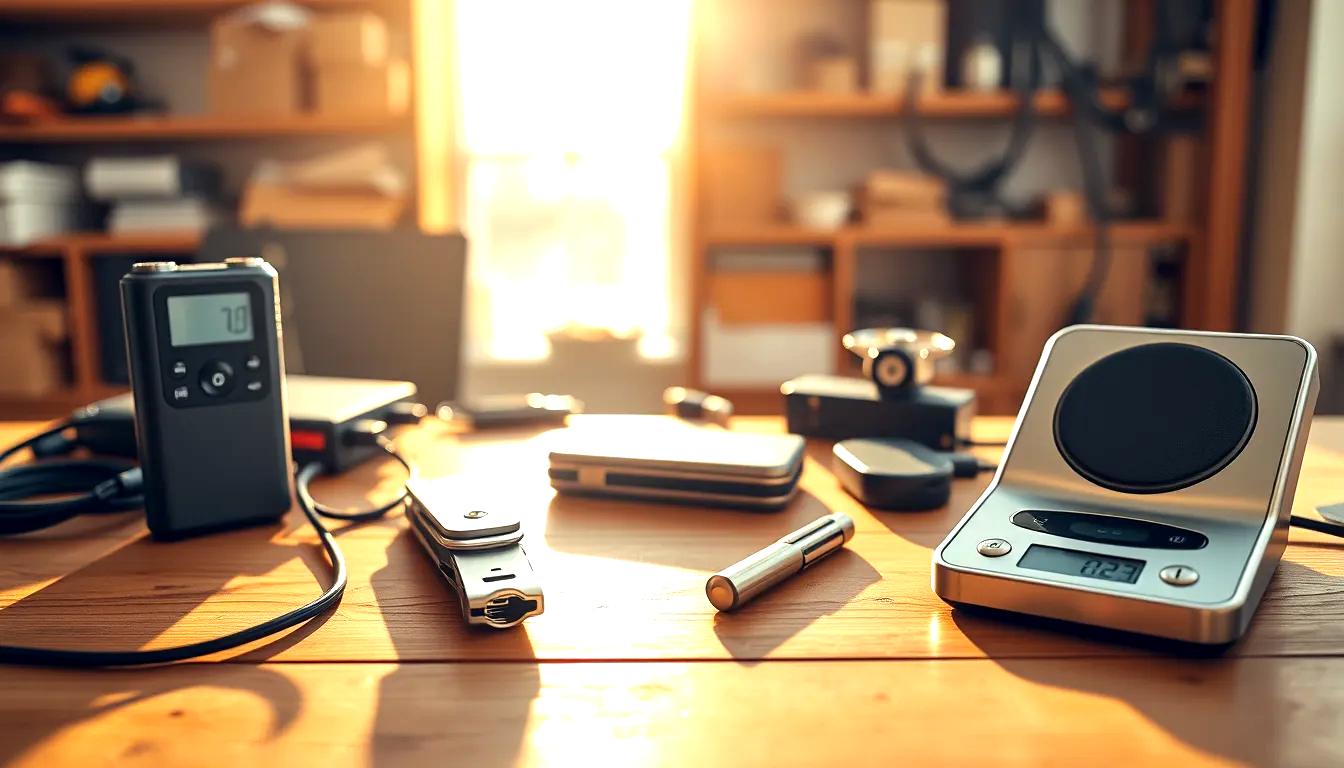
Crowdfunding has become the default launchpad for hardware that big companies won't risk making. A solo engineer with a working prototype can put up a campaign page on a Tuesday and have ten thousand backers by Friday. That's great for them. It's a minefield for you. The gap between a slick video and a product that actually ships is wide, and plenty of campaigns fall into it.
What Actually Separates a Good Crowdfunded Gadget From a Bad One
First, look at the funding number, but not the way you think. A campaign that raised 400% of its goal is interesting. One that raised 4,000% is often a warning — it means the creator now has to manufacture thousands of units with a supply chain they've never tested. Ask what the money is for. Tooling and injection molds? Good sign. "Marketing and team expansion"? Less so.
Second, find the working prototype. Not a render, not a CAD animation. A video of a person holding the thing and using it badly is worth more than a hundred glossy shots. If the only footage is a slow pan across a 3D model, the product is probably still a sketch.
The AI Hardware Wave Is Mostly Noise, With a Few Real Exceptions
Every other campaign this year slaps "AI" on a device that's really just a Bluetooth speaker with a voice assistant. The ones that matter solve a specific problem. A pocket recorder that transcribes meetings offline, for example, is genuinely useful if you sit in back-to-back calls all day. A camera that auto-edits your clips is not, because you still have to review the edits.
When you're evaluating an AI gadget, ignore the demo and ask one question: what does this do when the internet is down? If the answer is "nothing," you're buying a subscription with a plastic shell.
EDC Tools That Don't Just Look Good in Photos
Everyday carry campaigns are packed with titanium this and machined that, and most of it is jewelry. The ones worth your money replace something you already use daily. A slim multi-tool that actually fits in a coin pocket. A pen that writes underwater and survives being run over. A key organizer that stops your keys from jingling in a quiet room.
Check the dimensions against your actual pocket before you back anything. A tool that's 4mm too thick sits in a drawer forever. Backers post measurements in the comments — read them before the campaign closes, because that's where you find out the product is 30% bigger than the photos suggested.
Kitchen Gadgets: The Category With the Highest Regret Rate
Kitchen crowdfunding is where enthusiasm goes to die. The bread-proofing box, the smart scale, the automated stirrer — they all sound great until you realize you have to clean them. Any kitchen gadget that adds a step to your routine is a gadget you'll stop using in three weeks.
The winners are the ones that replace a tool you already own and hate. A knife that stays sharp longer. A pan that heats evenly on a cheap electric stove. A coffee grinder that doesn't wake the neighbors. If a campaign can't explain what it replaces, it's probably replacing nothing.
Travel Gear That Earns Its Space in the Bag
Packing space is the scarcest resource you own on a trip, so travel gadgets get judged harshly. A power bank that charges a laptop is worth its weight. A universal adapter that doesn't fall out of the socket is worth its weight. A folding water bottle is not, because you can buy one at the airport for six dollars.
One practical rule: if the gadget only works with a proprietary accessory, skip it. That's how travel gear turns into a drawer of mismatched cables.
How to Back Without Getting Burned
A few things I check before putting money down:
- Has the creator shipped a hardware product before? Look up their name.
- Are there third-party reviews or hands-on videos from people who aren't affiliated with the campaign?
- Does the timeline include a buffer, or is it "shipping in three months" with no mention of tooling?
- What's the refund policy if the campaign misses its delivery date by a year?
Late delivery is normal. Never delivering is not, but it happens often enough that you should treat every pledge as money you might not get back.
Frequently Asked Questions
Q1: Are crowdfunded gadgets safe to buy, or am I just gambling?
You're taking on more risk than buying from a store, but it's manageable. Check whether the creator has shipped before, look for independent hands-on reviews, and read the comments for backer complaints. If a campaign has no prototype video and no shipping history, treat your pledge as a donation.
Q2: How long do crowdfunded gadgets usually take to arrive?
Add three to six months to whatever the campaign page says. Tooling, certification, and shipping delays are the norm, not the exception. A campaign promising delivery in two months is either lying or has a finished product sitting in a warehouse, which raises the question of why it needs crowdfunding at all.
Q3: Where can I find crowdfunded gadgets that are actually worth buying?
The campaign platforms rank by hype, not by quality, so you need a filter. Try the free tool — it takes seconds. It curates live campaigns with real funding stats, video, and a straight recommendation, so you can skip the ones that are all render and no product.
Comments
Post a Comment